
CONDITIONS WE TREAT
Depression and mood disorder treatment
When low mood, exhaustion, or losing interest lasts for weeks and starts to affect work, sleep, and relationships, it may be time for more support.
Our virtual intensive outpatient program gives adults in California structured care for depression and other mood disorders while they keep living at home.

CONDITIONS WE TREAT
Mood disorders we treat
Major depressive disorder
Periods of at least two weeks of low mood or loss of interest, along with changes in sleep, appetite, energy, concentration, and how you see yourself. It can happen once or return in episodes.
Persistent depressive disorder (dysthymia)
A lower grade depression that lasts two years or more. Many people with it describe feeling like they have "always been this way," which can make it easy to miss.
Bipolar I and bipolar II disorder
Shifts between depression and periods of elevated or irritable mood, called mania in bipolar I and hypomania in bipolar II. Our program can be a fit when the mood is stable enough to live safely at home. During an active manic episode, a higher level of care is the safer place to start.
Postpartum and perinatal depression
Depression that begins during pregnancy or in the year after birth. It is different from the short "baby blues" and can affect any new parent. See also Women's Mental Health.
Depression with a seasonal pattern
Depression that returns at the same time each year, typically associated with weather changes and lack of sunlight.
Depression after a loss or life change
Low mood that follows a breakup, a job loss, a move, or another major change, and does not adjust back to normal the way you expected.
SIGNS
Signs it may be time for more support
How it can feel
Sadness, emptiness, or numbness that does not lift
Losing interest in people or things you used to enjoy
Hopelessness, guilt, or feeling like a burden
Irritability or a short fuse
Periods of unusually high energy, little need for sleep, or racing thoughts
How it can show up
Sleeping much more or much less than usual
Changes in appetite or weight
Exhaustion that rest does not fix
Trouble concentrating or making decisions
Pulling away from friends, family, or work
Thoughts of death or suicide (if this is you right now, call or text 988)
What we are
Virtual, across California. Groups and individual sessions by video, from wherever you can close a door.
An office in Fountain Valley. 8780 Warner Ave, Ste 11, for in person EMDR and for anyone who would rather be in the room.
One team, not a referral chain. Your therapist and your psychiatric provider work together on the same plan.
HOW WE TREAT IT
How we treat depression and mood disorders
STRUCTURE THAT FITS YOUR WEEK
Three hour sessions, three to five days a week, morning or evening. Enough support to change things, without stepping away from your life. How the program works
THERAPY WITH RESEARCH BEHIND IT
CBT and behavioral activation to break the cycle of low mood and withdrawal, DBT and ACT skills for hard emotions, and depth oriented work on the patterns underneath.
MEDICATION, IF IT IS PART OF YOUR CARE
Our medical team can evaluate, prescribe, and adjust medication over time, in step with your therapist. Medication management
QUESTIONS
Common questions
How do I know if it is depression or just a rough patch?
Sadness after something painful is normal. Depression tends to last most of the day, nearly every day, for two weeks or more, and it gets in the way of daily life. A conversation with our team can help you sort out which it is.
Do I have to take medication?
No. Medication is one option, and whether it is part of your care is a decision you make with your provider.
Can I keep working during treatment?
Most people do. The evening track runs 5 PM to 8 PM Pacific for people who work during the day.
Is treatment covered by insurance?
Most major PPO and HMO plans are accepted, including Cigna, Aetna, Anthem, Blue Cross Blue Shield, and United. Call 949.706.8610 or send us a message and we will verify your benefits before you commit to anything.
If you are in crisis or thinking about harming yourself, call or text 988 (Suicide and Crisis Lifeline) or call 911. Our program is not an emergency service.
Clinically reviewed by Angelina DeSanto, LCSW, Clinical Director. Last updated October 2026.
Other conditions we treat: Anxiety and panic · Trauma and PTSD · ADHD and OCD · Personality disorders · Burnout, grief, and life stress · Women's mental health · Men's mental health · Relationships and codependency
WHO YOU WOULD WORK WITH
A small team you will actually get to know
Kin Wellness is run by its clinicians. The people below are the people in your groups, and the full team is on the Team page.
Cofounder and Clinical Director, LCSW #80761, Ph.D Candidate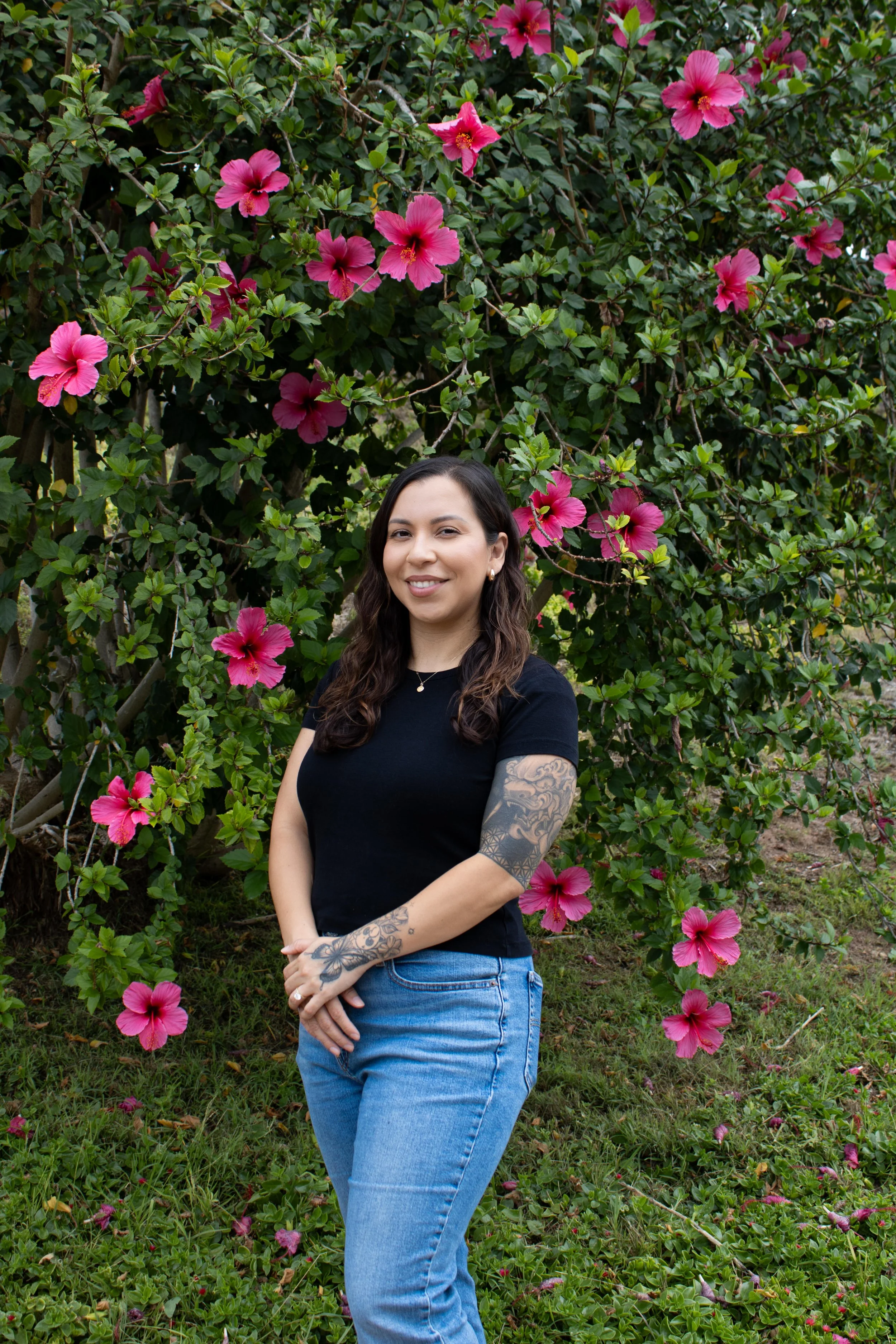
Paola Mercado Demeza, AMFT
Cofounder and Lead Clinical Therapist, Registered Associate Marriage and Family Therapist #15190. Supervised by Angelina Desanto, LCSW, Ph.D Candidate

Dr. Joe DeSanto, MD
Angelina DeSanto, LCSW
Medical DirectorLET US HELP
Tell us how to reach you
Tell us how to reach you and someone from our team will call you back. The first conversation is short and confidential: what has been going on, what your questions are, whether this is the right level of care for you, and what it would cost with your insurance. There is no obligation to enroll, and if it is a fit you can start right away.
Prefer to call?
949.706.8610
Office hours Monday to Friday, 9 AM to 8 PM Pacific. In person care at 8780 Warner Ave, Ste 11, Fountain Valley CA 92708.